6 Essential Steps to Understand and Use Type Beat
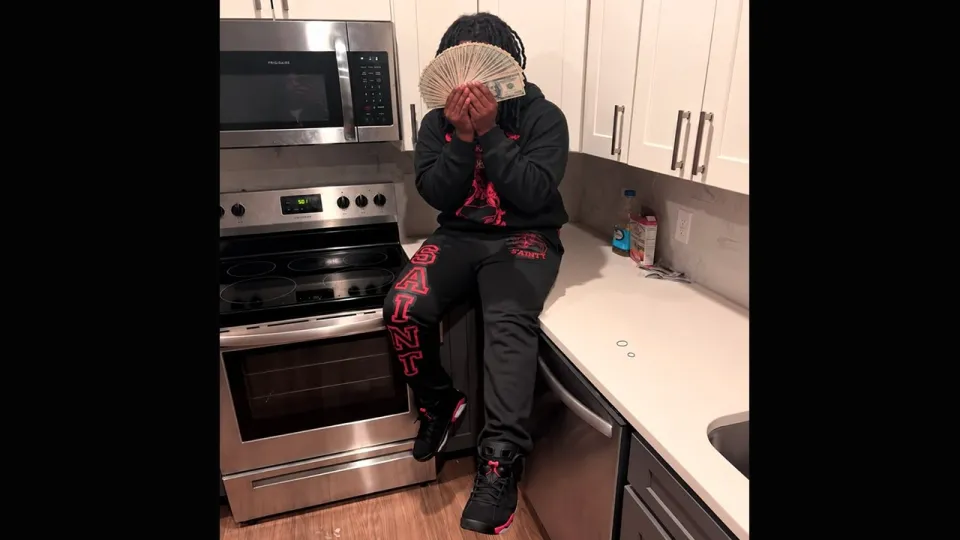
Video: (FREE) YFG Fatso Sample Type Beat - Unlike Me
Need articles like this for your video? They help promote it on YouTube and Google — order them in the Telegram bot @sat_sit_bot. It writes articles around your video, embeds the video and publishes them on popular niche websites (no ads). Your first 50 articles are free.
· based on the channel Paul Fix Trap
Key takeaways
- Type beat is a style of instrumental beat inspired by popular artists.
- YFG Fatso type beats are melodic and often have pain or emotional themes.
- Free type beats can be used for non-commercial projects, paid leases are needed for streaming.
- BPM and key signature are crucial to matching the vibe of a type beat (e.g., 165 BPM, A minor).
- Many producers offer sample-based type beats combining drill, melodic, and pain styles.
Type beat is a popular term in modern music production referring to instrumental beats crafted to emulate the style of specific artists. These beats serve as templates or inspiration for rappers and singers looking to create music in a similar vibe. A great example is the YFG Fatso sample type beat "Unlike Me" by Paul Fix Trap, which blends melodic and pain elements typical of YFG Fatso, Luhh Dyl, and Raq Baby styles. The beat is available for free use in non-profit projects with paid leases required for commercial streaming. You can check it out or purchase it here.
What is a Type Beat
A type beat is an instrumental track produced to emulate the sound and style of a particular artist or group. These beats capture key elements like tempo, melody, rhythm, and mood associated with that artist’s signature sound. For example, a YFG Fatso type beat would include melodic samples, pain-driven themes, and a drill-influenced rhythm. Producers create these beats to help artists find instrumentals that fit their style without needing a custom beat.
How to Identify and Choose a Type Beat
Choosing the right type beat depends on the mood, tempo, and style you want to emulate. Important factors include:
- BPM (Beats Per Minute): This affects the energy and pace; YFG Fatso beats often hover around 165 BPM.
- Key Signature: The key (like A minor) shapes the melodic feel.
- Style and Mood: Melodic, pain, and drill styles are common in YFG Fatso type beats.
- Sample Usage: Some beats are sample-based, adding a nostalgic or emotional texture.
Listening to examples and reading metadata helps ensure the beat suits your creative goals.
How to Use Free and Paid Type Beats
Many producers, including Paul Fix Trap, offer free beats for non-commercial use. These are great for practice, demos, or personal projects. However, to release music on streaming platforms or commercial outlets, you need to purchase a lease or license. Leases usually come with:
- Non-exclusive rights allowing multiple users.
- Terms about usage platforms and revenue.
- Untagged versions of the beat for professional release.
Always check the license terms before using a beat commercially.
Common Features of YFG Fatso Sample Type Beats
YFG Fatso sample type beats are characterized by:
- Melodic samples that evoke emotional or pain-driven themes.
- Drill-style hi-hats and rhythmic patterns.
- BPM around 165 for an energetic yet moody feel.
- Minor key signatures, mainly A minor, to maintain a somber tone.
This style blends melodic and drill components, making it popular for storytelling rap and emotional trap music.
Typical Challenges and Questions When Using Type Beats
Artists often ask about the length of beats, licensing, and how to customize them. For instance, some listeners comment on long intros before the beat drops, which can affect song structure. Others wonder if they should continue rapping or how their music sounds over a particular beat. Collaboration and feedback are key in these cases. Platforms like BandLab and social media connections help artists share and improve their work.
Tips for Maximizing Type Beat Use
- Match Your Vocal Style: Choose beats that complement your flow and lyrical themes.
- Edit the Beat if Allowed: Adjust tempo or add elements to make the beat unique.
- Understand Licensing: Avoid legal issues by following beat lease agreements.
- Engage with Producers: Many provide bundles or free beats to build relationships.
- Use Beats to Inspire: Sometimes a type beat can spark new creative directions.
Useful Links
- Purchase the YFG Fatso Sample Type Beat "Unlike Me": https://paulfixloopkits.com/product/yfg-fatso-sample-type-beat-unlike-me/
- Get 5 Free Beats from Paul Fix Trap: https://paulfixloopkits.com/5-free-beats/
Conclusion
Understanding type beats unlocks new possibilities for artists wanting to create music inspired by their favorite performers. The YFG Fatso sample type beat by Paul Fix Trap exemplifies how melodic, pain, and drill elements combine to form a versatile instrumental. Whether you’re using free beats for practice or purchasing leases for commercial releases, it’s essential to respect licensing and choose beats that fit your artistic vision. Explore the beats from Paul Fix Trap to elevate your projects today.
Source: (FREE) YFG Fatso Sample Type Beat - Unlike Me · Markdown version
Questions & answers
What is a type beat and why is it popular?
A type beat is an instrumental track designed to mimic the style of a specific artist, helping rappers and singers find a beat that matches their desired sound. It’s popular because it offers accessible, affordable beats inspired by well-known artists.
Can I use free type beats for commercial releases?
Generally, free type beats are for non-commercial use only. To release music on streaming platforms or sell tracks, you must purchase a lease or license from the producer to legally use the beat.
How do I choose the right type beat for my music?
Consider the beat’s BPM, key, style, and mood to ensure it fits your vocal flow and lyrical content. Listening carefully and reading the beat description helps you pick a beat that inspires your creativity.
What should I do if I want an untagged version of a free beat?
You need to purchase a lease or license from the producer to get an untagged, high-quality version suitable for commercial release. Free versions usually have tags or limitations to protect the producer’s rights.