What Makes a Detroit Beat Sound Like Rio Da Yung OG and Babyfxce E
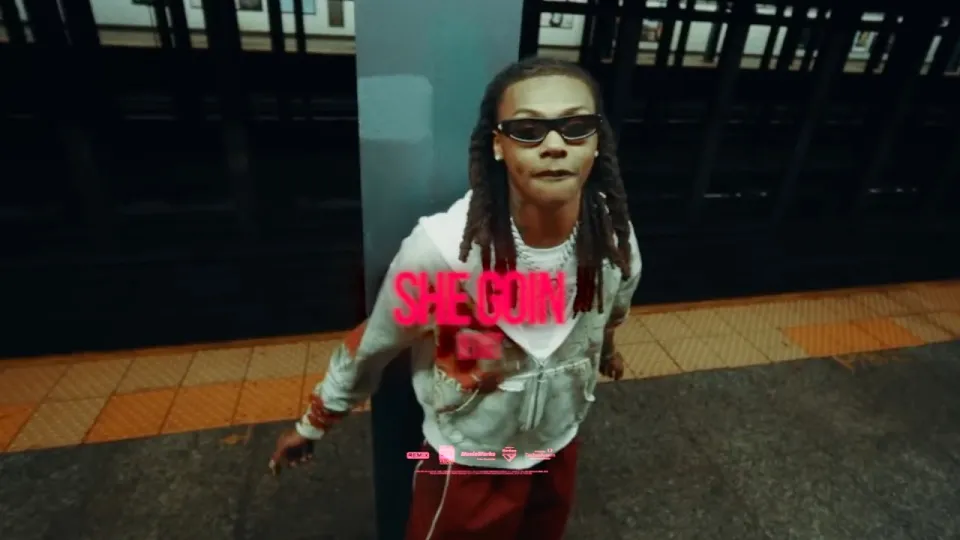
Video: [FREE] “She Goin” - Rio Da Yung OG x Babyfxce E Type Beat | Detroit Type Beat
Need articles like this for your video? They help promote it on YouTube and Google — order them in the Telegram bot @sat_sit_bot. It writes articles around your video, embeds the video and publishes them on popular niche websites (no ads). Your first 50 articles are free.
· based on the channel Reuel StopPlaying
Key takeaways
- A Detroit type beat usually sits around 90–100 BPM in half-time with heavy 808 slides and triplet hats.
- Rio Da Yung OG and Babyfxce E both rap in a Michigan style: deadpan, dense, and pocket-driven.
- The Reuel StopPlaying beat "She Goin" is free for non-profit use only; for-profit needs a paid license.
- Written credit must read "Produced by (Producer Name) for SoundFirst Productions" on any release.
- Buying or licensing the beat is done through the producer's link: https://bit.ly/2mxSONh.
A Detroit beat is a rap instrumental built around slow, heavy 808 bass, crisp triplet hi-hats, and a dark, minimal melodic loop, usually in half-time at roughly 90–100 BPM. The style is tied to Michigan rap scenes in Detroit and Flint, where artists like Rio Da Yung OG and Babyfxce E trade terse, punchline-heavy bars over that pocket. If you want a working example, the free "She Goin" Detroit type beat by Reuel StopPlaying is available to download or license at the producer's beat page.
What defines a Detroit beat in practice
A Detroit beat is less about one signature sound and more about a set of production habits that push the vocal forward. Producers in this lane typically start with a melodic sample or a simple synth line, then build the rhythm so the rapper can sit behind the beat without rushing.
The core elements:
- Tempo and feel: 90–100 BPM written in half-time. The snare or clap lands on the third beat, so the track feels slower than the number suggests.
- 808 bass: long, sliding notes that move between root notes. The glide is often the hook — the bass becomes a melodic instrument, not just low-end weight.
- Hi-hats: fast triplet rolls, occasional open-hat accents, and pattern switches every 2–4 bars to keep the loop from going stale.
- Melody: dark piano, detuned synth, or a short vocal chop. The loop is usually 2–4 bars and repeats with small variations.
- Drums: punchy kick, tight snare or clap, and light percussion. There is often space between hits so the vocal does not fight the beat.
Mix-wise, the 808 is the loudest element after the vocal. The kick is sidechained or EQ'd so it does not clash with the bass. The melodic loop is often filtered with a low-pass to leave room in the high mids for the rapper's voice.
How Rio Da Yung OG and Babyfxce E shape the type beat
Rio Da Yung OG and Babyfxce E are Michigan rappers whose delivery defines what a "type beat" in this style needs to support. Rio Da Yung OG raps in a flat, conversational tone with dense internal rhymes and frequent ad-libs. Babyfxce E works in a similar pocket: short phrases, heavy punchlines, and a flow that stays slightly behind the beat.
That style puts specific demands on the instrumental:
- The beat cannot be too busy in the midrange, or the deadpan delivery gets buried.
- The 808 pattern should leave gaps for one-liners and pauses.
- The loop should be repetitive enough to feel hypnotic, but switch every 8 bars to mark verse and hook sections.
- The drum bus should hit hard but stay clean, because Michigan vocals are often mixed dry and upfront.
A producer making a Rio Da Yung OG type beat or a Babyfxce E type beat is essentially building a negative space for that vocal style. The beat has to sound finished on its own but leave a clear lane for the rapper.
What you get with the "She Goin" free Detroit type beat
The "She Goin" beat from Reuel StopPlaying is a free download for non-profit use, with a paid option for commercial releases. The title and tags place it in the Rio Da Yung OG x Babyfxce E lane, and the description spells out the licensing terms clearly.
Key terms from the producer:
- Free for non-profit, promotional, or personal use only.
- Allowed: free demos, promo CDs, streaming your recording on YouTube or Facebook, and live non-profit shows.
- Not allowed: any for-profit use without a Non-Exclusive or Exclusive license.
- Credit required: "Produced by (Producer Name) for SoundFirst Productions" on all physical and digital distributions, including the description of a YouTube video.
- If written credit is impossible, recorded vocal credit must be given.
The producer reserves the right to change the policy. If you plan to monetize, the correct move is to buy a license through https://bit.ly/2mxSONh rather than upload and hope.
Common questions from listeners and artists
Listeners and artists usually ask the same handful of things about free type beats, and the answers are mostly about licensing and gear. The comments on the "She Goin" upload show three recurring concerns: whether you can just screen-record the beat, which 808 was used, and how much a license costs.
On screen-recording: the description says free beats are for non-profit use, so recording the audio and uploading a song is allowed only if you follow the credit rule and do not monetize. Screen-recording the video does not change the license — the audio is still the producer's beat.
On the 808: the exact plugin or sample is not listed in the description. Producers in this style commonly use 808 samples with a pitch glide and a long tail, then process them with saturation and a slight low-pass. If you want the same character, look for an 808 with a clean sub and a slow pitch envelope.
On price: the description does not list a price. The buy link is https://bit.ly/2mxSONh, where the producer handles licensing directly. Prices for non-exclusive and exclusive rights vary by producer, so check the page rather than guessing.
How to use a Detroit type beat without breaking the license
Using a Detroit type beat legally comes down to matching your release to the license terms. The "She Goin" beat is free for non-profit use, which covers practice, demos, and non-monetized uploads, but not Spotify royalties or brand deals.
A practical checklist:
- Decide whether your release will make money. If yes, buy a license first.
- If it is non-profit, keep the credit line exactly as specified: "Produced by (Producer Name) for SoundFirst Productions".
- Put the credit in the video description and any digital distribution metadata.
- Do not claim the beat as your own or register it with a content ID system.
- If you later monetize the same song, upgrade to a Non-Exclusive or Exclusive license.
For artists building a catalog, the safest habit is to treat every free beat as a demo beat. Write and record on it, test the flow, then license it before you push it to streaming platforms.
Useful links
- Buy or license the beat: https://bit.ly/2mxSONh
- Producer on Twitter: https://twitter.com/reuelethan
- Producer on Instagram: http://instagram.com/Reuelethan
The bottom line on Detroit beats
A Detroit beat works when the 808, hats, and melody leave room for a deadpan Michigan flow, and the "She Goin" instrumental from Reuel StopPlaying is a clear example of that formula. The free download is non-profit only, so any monetized release needs a paid license and the exact credit line. If you want to use it commercially, start at https://bit.ly/2mxSONh and read the terms before you upload. The Reuel StopPlaying channel is the source for this beat and the licensing details, and it is worth checking the description on the original upload for any updates.
Source: [FREE] “She Goin” - Rio Da Yung OG x Babyfxce E Type Beat | Detroit Type Beat · Markdown version
Questions & answers
Can I just screen-record a free Detroit type beat and use it?
Screen-recording does not change the license. The "She Goin" beat is free for non-profit use only, so you can record a song over it for demos or non-monetized uploads if you include the required credit. If you plan to make money from the song, you need a paid license from the producer.
What 808 is used in Detroit type beats like this one?
The description does not name a specific 808 plugin or sample. Detroit-style 808s usually come from samples with a long tail and a pitch glide, processed with saturation and a low-pass filter. The goal is a clean sub that slides between notes without muddying the vocal.
How much does it cost to buy the beat?
The price is not listed in the video description. You have to check the producer's page at https://bit.ly/2mxSONh for current non-exclusive and exclusive rates. Prices vary depending on the rights you need.
What credit do I have to give if I use the free beat?
The required credit is "Produced by (Producer Name) for SoundFirst Productions". It must appear on all physical and digital distributions, including the description of your YouTube video. If written credit is not possible, you must give recorded vocal credit instead.